Shark in holiday hotspot 'tests positive for cocaine' for first time ever
In recent years, there have been concerns about the contamination of fish and other aquatic life with substances flushed into the world ’s oceans by humans.
In recent years, there have been concerns about the contamination of fish and other aquatic life with substances flushed into the world ’s oceans by humans. A recent study has found that sharks in a popular holiday hotspot in the Bahamas have, for the first time, tested positive for caffeine, painkillers and cocaine. The study, conducted by the Federal University of Parana, which published its findings in the Environmental Pollution journal last month, analysed marine life in the region.
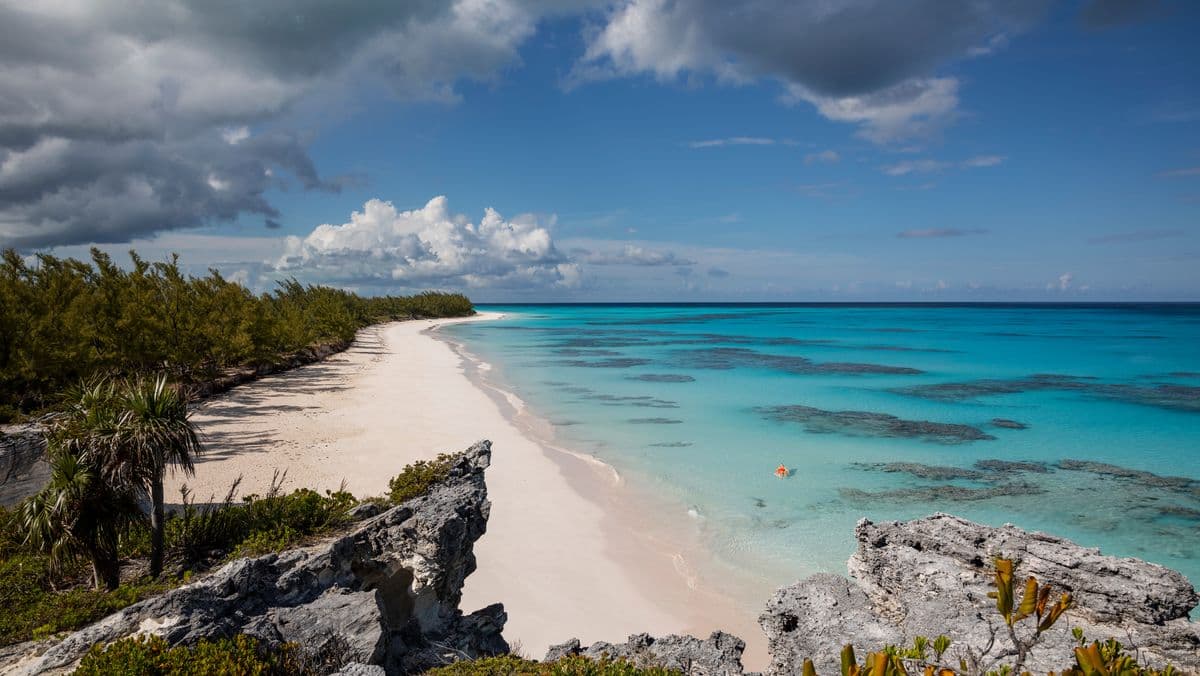
They found that waste caused by tourism and diving was leading sharks to ingest substances that had been thrown into the ocean. In this context, drugs and other pharmaceuticals are categorised as CECs (Contaminants of Emerging Concern) due to their potential impact on wildlife. The researcher at the head of the project, Natascha Wosnick, said the findings came after analysing blood samples from 85 sharks around Eleuthera Island, with a third containing traces of pharmaceuticals, reports 20 minutos .
The study, which claims to be the first of its kind, warned that it was essential to understand the impact of these chemicals on sharks for both economic and biological reasons. The authors said: “Thus, understanding how these contaminants affect shark physiology and long-term population health becomes paramount, not only to safeguard a key ecological component of coastal ecosystems, but also to preserve the social and economic benefits they provide.” As to what is causing the contamination, the authors said that, as well as actions by individual humans, it could also have been caused by drug shipments that were either lost or discarded.
This isn’t the first time cocaine has been found in sharks, with a study in Brazil discovering the presence of the drug and causing scientists to warn that this could be changing their behaviour. As with the study in the Bahamas, the researchers suggested there could be multiple reasons for the sharks ingesting the substance. The scientists, who published their study in the Science of the Total Environment journal, tested 13 Brazilian sharpnose sharks captured by fishermen, with the majority of them containing high levels of the illegal drug.
Speaking about the matter in 2024, British scientist and member of the team from the Oswaldo Cruz Foundation, Rachel Ann Hauser-Davis, said the results of their study demonstrated “chronic exposure due to human use of cocaine in Rio de Janeiro and the discharge of human urine and faeces by sewage outfalls, as well as from illegal labs”. The researchers warned that the sharks’ behaviour could be altered by the ingestion of the drugs, but that further studies were required.
Source Verification
Corroboration Score: 1This story was independently reported by 1 sources. Click any source to read the original article.
Comments
0 commentsIndia to scale up rare earth magnet production to 5,000 tonnes by 2030
Daily Quiz: On Sir Elton John
Related Articles
![Day 1,491 of WW3: Russian soldier claims that, in retaliation for being conscripted and sent into combat despite being a student, he passed the location of his unit to Ukraine, resulting in 150 KIA. This is your Wednesday Ukraine War thread [News]](/_next/image?url=https%3A%2F%2Fusrimg-full.fark.net%2Fo%2Fox%2Ffark_oxpKoL9fVYDQTCZeIPDt4mY5oFM.jpg%3FAWSAccessKeyId%3DJO3ELGV4BGLFW7Y3EZXN%26Expires%3D1774843200%26Signature%3DrHv%252FlA8rSt26zv1dIrwS01wYIaA%253D&w=3840&q=75) Science
ScienceDay 1,491 of WW3: Russian soldier claims that, in retaliation for being conscripted and sent into combat despite being a student, he passed the location of his unit to Ukraine, resulting in 150 KIA. This is your Wednesday Ukraine War thread [News]
 Science
ANALYSIS: Five key takeaways from the 2026 Danish election result
 Science