‘Warcraft… with pure thought control’ — 100 days with Neuralink ‘feels like science fiction’ to early brain chip pioneer
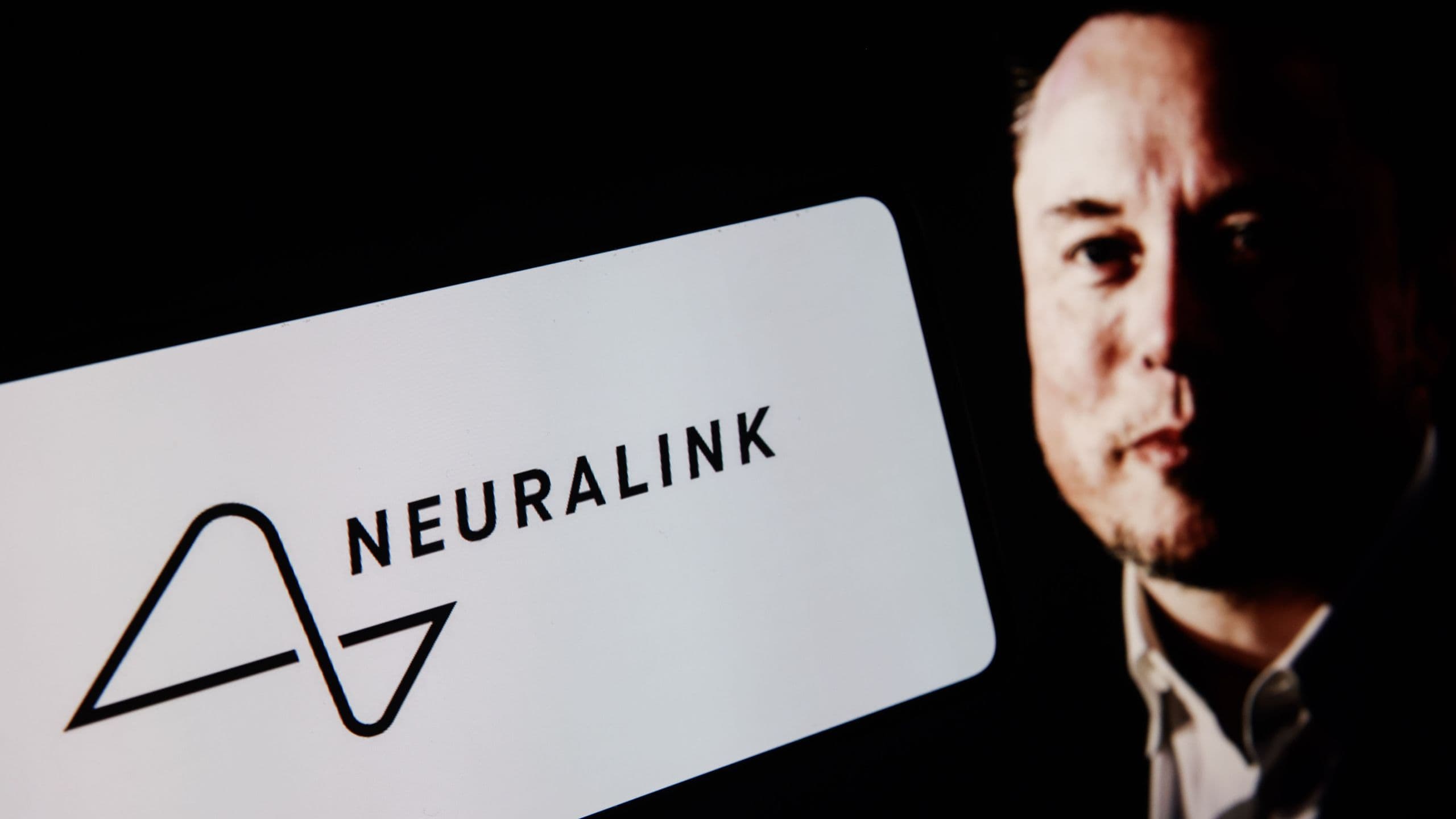
A Neuralink patient says playing Warcraft with his thoughts feels natural after 100 daysThe brain chip translates neural signals into real-time actionsNeuralink says a major goal is restoring independence for people with paralysis Playing a game like World of Warcraft usually involves a keyboard, a...
A Neuralink patient says playing Warcraft with his thoughts feels natural after 100 daysThe brain chip translates neural signals into real-time actionsNeuralink says a major goal is restoring independence for people with paralysis Playing a game like World of Warcraft usually involves a keyboard, a mouse, and a lot of muscle memory. For an early Neuralink patient, it just takes some concentrated thought. After 100 days with a brain chip implanted directly into his motor cortex, British Army veteran Jon Noble says the experience “feels like science fiction,” albeit a comfortable form after a few months.
“That’s when I fired up [World of] Warcraft for the first time with pure thought control,” he wrote on X. ”
The first raid felt clunky, but once my brain and the BCI synced, it was pure magic. I’m now raiding, and exploring Azeroth hands-free at full speed — no mouse, no keyboard, just intention. It’s honestly brilliant.
The freedom is addictive." Article continues below The milestone is not just a personal one. It offers a rare glimpse into how brain-computer interfaces are beginning to move out of labs and into lived experience, even if that experience still belongs to a very small number of people.
Noble is one of a limited group of participants in Neuralink’s early human trials. Like other patients, he is paralyzed below the neck following a spinal injury. The implant, known as the N1, is designed to translate neural signals into digital commands, effectively allowing users to control devices by thinking.
The process involves surgeons making a small incision and a robot threading ultra-thin electrodes into the brain. Within days, patients can start to learn how to use the brain as an input device. Within a couple of weeks, Noble's implant was paired with a computer, and he began practicing basic tasks.
At first, it meant moving a cursor across a screen. Eventually, it was playing World of Warcraft. Noble described it as a natural extension of the same system he had been training on.
Brain-computer interfaces have been studied for decades, but they were often confined to controlled environments and limited use cases. Neuralink’s approach, with its emphasis on consumer-style usability and rapid iteration, is pushing that boundary outward. The technology is less about gaming and more about accessibility, but gaming is a part of that.
For individuals with paralysis or severe motor impairments, the ability to control a computer with thought alone is a shift toward independence. Tasks that once required assistance become possible without any help. At the same time, the more eye-catching examples, like playing a complex video game, serve a different purpose.
They demonstrate that the technology is not just functional but adaptable. If a brain signal can move a cursor, it can also navigate a digital world, issue commands, and respond in real time. Brain AI power That adaptability is what fuels both excitement and unease.
The idea of controlling devices with thought alone has obvious appeal, though it raises questions about where the boundary between human and machine lies. For now, those questions remain largely theoretical. Neuralink’s trials are still in their early stages, involving a small number of participants under controlled conditions.
The technology requires surgery, ongoing calibration, and support from a team of engineers. It is not something that will appear in consumer devices anytime soon. Still, if the technology becomes safer, more reliable, and easier to deploy, its applications could expand well beyond its current focus.
Gaming might be an early showcase, but other possibilities range from controlling prosthetic limbs to interacting with augmented reality systems. Naturally, for every breakthrough, there will be questions about safety, privacy, and long-term effects. But what makes the current questions stand out is how quickly they've moved away from theoretical to practical.
Noble’s first 100 days offer a snapshot of that evolution in progress. What comes next is the real unknown. Whether brain-computer interfaces remain a tool for accessibility and otherwise a curiosity, or if they eventually make the keyboard and mouse feel as outdated as a punch-card computer remains to be seen.
Follow TechRadar on Google News and add us as a preferred source to get our expert news, reviews, and opinion in your feeds. Make sure to click the Follow button! And of course you can also follow TechRadar on TikTok for news, reviews, unboxings in video form, and get regular updates from us on WhatsApp too.
Source Verification
Corroboration Score: 1This story was independently reported by 1 sources. Click any source to read the original article.
Comments
0 comments2026 MLB Opening Day Power Rankings: Who can stop the Dodgers from a three-peat?
Webb Telescope Discovers Super-Earth With 'Impossible' Atmosphere and Lava Oceans, Defying Science
Related Articles
 Science
Nicholas Bacopoulos & Calypso Gounti Seminar Room Named at Wiener Laboratory
 Science
The Point of No Return: New Evidence Shows Antarctic Melting Is Already Locked In
 Science