A unique NASA satellite is falling out of orbit—this team is trying to rescue it
Using the Pegasus rocket for the Swift rescue mission might seem surprising, but a closer examination reveals a good reason for it.
Using the Pegasus rocket for the Swift rescue mission might seem surprising, but a closer examination reveals a good reason for it. Swift flies close to the equator, swinging between 20 degrees north and south latitude on each orbit, to minimize time flying over the South Atlantic Anomaly, a weak spot in Earth’s magnetic field where satellites are exposed to higher doses of damaging radiation. For Swift, this exposure could contaminate science observations.
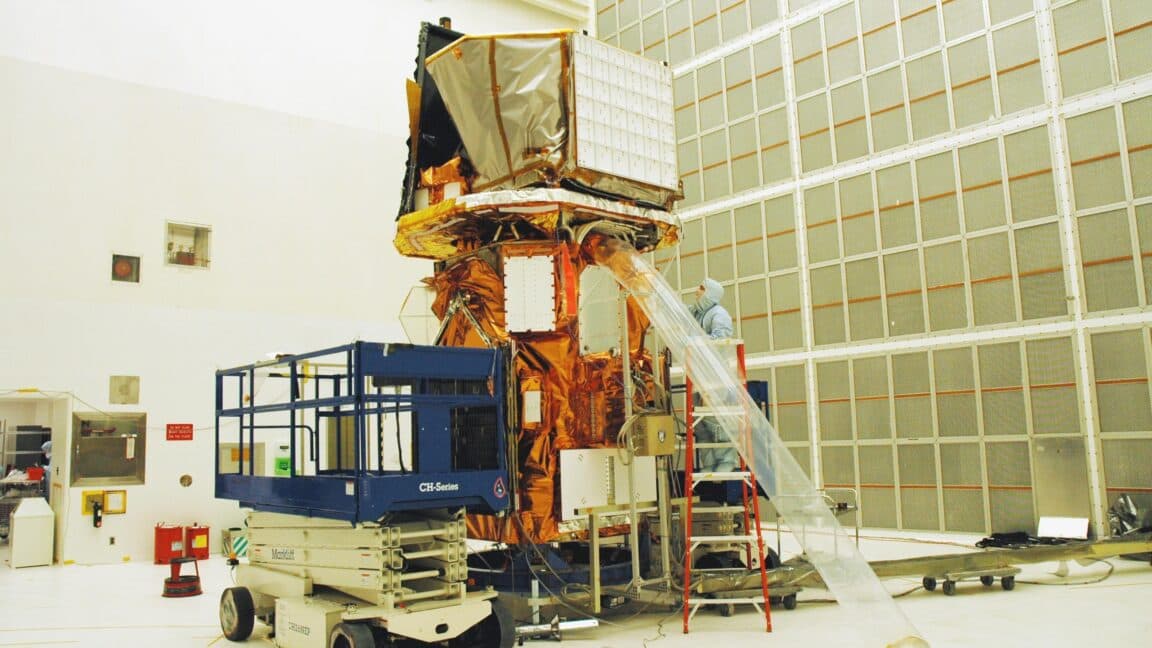
If launched on a Falcon 9, the rescue mission would require a dedicated ride from Cape Canaveral, Florida, to reach such an unusual orbit. It could not take advantage of SpaceX’s lower-cost Transporter and Bandwagon rideshare missions that routinely deliver small satellites to higher-inclination orbits. And Katalyst’s spacecraft is too heavy for Rocket Lab.
“A lot of people think launch is a solved issue. They see how often that Falcon 9 flies. They see companies like Rocket Lab and Firefly coming online,” Lee said. “But the reality of the situation is launch is a solved issue if you’re able to fit into a Transporter or Bandwagon.”
The mission’s $30 million budget includes the launch. Katalyst has not disclosed how much it is paying for the ride on Pegasus—Northrop charged $28 million for a Pegasus launch in 2021—but rocket motors were already built for one more Pegasus rocket. It’s a safe bet that the company got a good deal.
“Out of the Cape, if we’re going on a dedicated Falcon 9, that’s like $65 or $70 million. So there was just no trade space. Pegasus was actually a really good option because it’s built for this type of mission, going to unique inclinations, being able to be responsive, and then the payload capacity of it was perfect.
They have up to 400 kilograms (880 pounds) to this orbit. That’s exactly what we need. Falcon 9 would have been way overkill for something like this.”
The Pegasus system has the advantage of being mobile. The rocket and its airborne launch platform will be assembled together in California, then flown to Kwajalein Atoll in the Marshall Islands, about 600 miles (1,000 kilometers) north of the equator. There, the airplane will release Pegasus to begin its climb into space.
“It’s kind of sad that it’s the last Pegasus because it’s a really good architecture for things like this,” Lee said. “You can imagine that there are going to be other use cases.”
Source Verification
Corroboration Score: 1This story was independently reported by 1 sources. Click any source to read the original article.
Comments
0 commentsViruses in the gut may help prevent blood sugar spikes, mouse study hints
Smart Ways to Save for Your Child’s College — Money Minute
Related Articles
 Science
Rising Demand for GLP-1 Medications Highlights Continued Importance of Healthy Lifestyle Choices
Popular anti-obesity drugs must be paired with healthy habits, experts say
 Science