RFK Jr’s Big Loss Shows America’s Culture Wars Aren’t Over
Americans may be focused on the Iran war as it plays out across their screens and in their wallets, but there's a bitter battle still raging right underneath their noses.
Americans may be focused on the Iran war as it plays out across their screens and in their wallets, but there's a bitter battle still raging right underneath their noses.
Health and Human Services (HHS) Secretary RFK Jr. just lost the latest skirmish in the ever-present culture wars. Earlier claims from inside the MAGA movement of a resounding victory after Donald Trump swept back to the White House were, perhaps, premature.
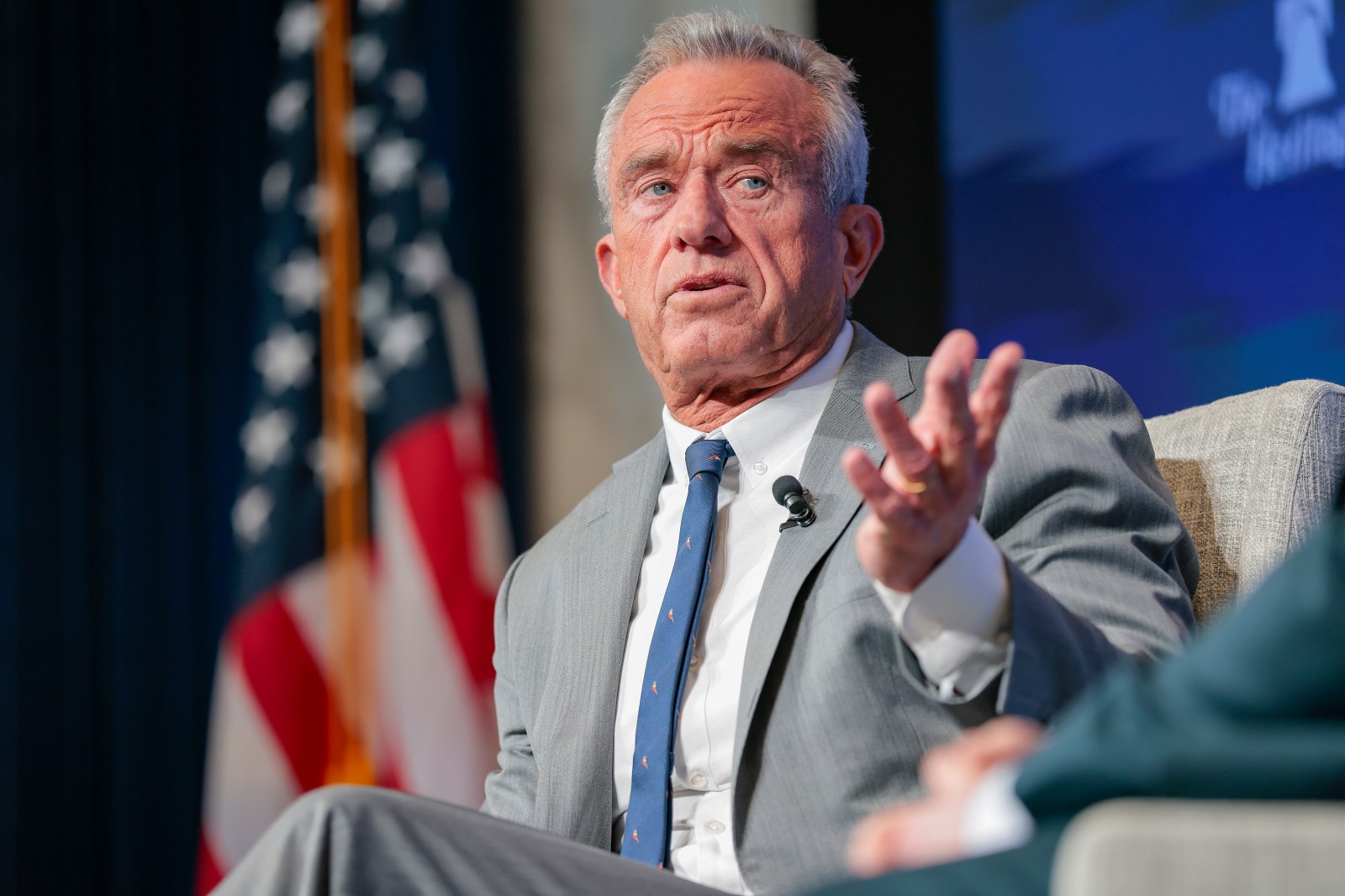
Kennedy was cut down in an Oregon federal court late Thursday over his December declaration against the safety and efficacy of pharmaceutical and surgical interventions for children with gender dysphoria.
U.S. District Judge Mustafa Kasubhai ruled that HHS cannot threaten hospitals or providers over gender‑affirming care for minors, blocking Kennedy’s attempt to use federal funding and regulatory pressure to reshape medical practice nationwide.
The decision dealt a blow to one of the most assertive culture war moves yet attempted by the Trump administration’s HHS. It shows how unresolved, and combustible, these fights remain.
The HHS declaration had cast gender‑affirming care for minors as medically suspect and hinted that hospitals could face consequences for continuing such treatment.
But the court found that HHS had overstepped its authority, effectively trying to impose a national policy change without congressional approval or formal rulemaking. The challenge was brought by attorneys general from several Democratic states.
The ruling did not settle the scientific or moral debate over pediatric gender care. But it did draw a firm line around the limits of executive power, especially when culture war priorities collide with existing medical standards and state authority.
The administration's declaration reflected a belief that aggressive action on gender issues remains a political winner with most Americans, and that voters want not just rhetoric on the culture war, but federal muscle to enforce social norms.
The Oregon ruling shows that strategy still faces strong institutional resistance, especially in the courts, which the White House and its allies characterize as "lawfare" waged by politically-motivated judges.
Evidence that the culture wars are far from settled is everywhere.
In Texas, for example, the MAGA‑aligned campaign against Democratic state Representative James Talarico (the party's nominee for U.S. Senate who is seen as having a real chance of winning), leans heavily on his liberalism: or wokeness, to use his opponents' term.
They are resurfacing and emphasizing his past statements on issues like trans rights, abortion, feminism, and veganism, among others, seeing these as the strongest weapons to use against him in red Texas.
Meanwhile, new data from the Public Religion Research Institute (PRRI) complicates the assumption that the country is steadily liberalizing on LGBTQ issues.
While majorities still support same‑sex marriage and anti‑discrimination protections, the survey shows softness among younger voters and Republicans, and signs of stagnation, or even reversal, in overall support.
The trend suggests the consensus many Democrats believed was locked in is vulnerable, even among typically liberal younger generations.
Kennedy's courtroom loss, then, is not an end in the culture wars but a reminder of their terrain and that the battles are still taking place across the country.
Courts can slow executive overreach, but they cannot resolve a deeper national argument over identity, authority, and values. That fight for America’s soul is still playing out in legislatures, in campaigns, on social media, and in the polling data.
Hey gang, Carlo Versano here. I hope you enjoyed this article. As Newsweek's Director of Politics and Culture and editor of the 1600 newsletter, I'm keen to hear what you think.
Now, Newsweek is offering a new service to allow you to communicate directly with me in the form of a text message chat. You can sign up and get a direct line to me, as well as the reporters who work for me. You can shape our coverage.
As a Newsweek member, we're offering this service to you for free. You can sign up below, or read more about how it works here. Let's talk!
Source Verification
Corroboration Score: 1This story was independently reported by 1 sources. Click any source to read the original article.
Comments
0 commentsHospital billing technology a factor driving surge in sepsis cases
TUHU Car Inc. Reveals Fall In Full Year Profit
Related Articles
 Health
Eledon Pharma FY25 Net Loss Widens; Tegoprubart Phase 3 Development On Track In Kidney Transplant
HealthOil Prices Edge Higher After Drone Attack Targeting Kuwait Oil Refinery
Health