Push for policies to boost medication adherence
Controlling or treating hypertension to target can potentially save many lives and reduce the economic burden associated with hypertension and its many complications. (Photo: AP) March 23, 2026 Push for policies to boost medication adherence HEALTH researcher Dr D Malcolm Brewster is highlighting...
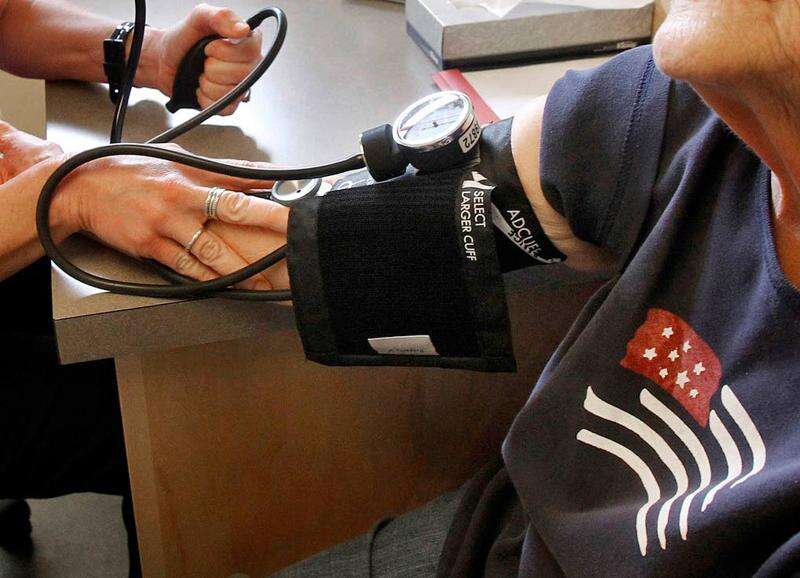
Controlling or treating hypertension to target can potentially save many lives and reduce the economic burden associated with hypertension and its many complications. (Photo: AP)
March 23, 2026
Push for policies to boost medication adherence
HEALTH researcher Dr D Malcolm Brewster is highlighting the need for comprehensive policy measures and health-care system reforms to improve medication adherence.
This follows findings from a recent study he conducted which found that nearly 70 per cent of patients with hypertension and diabetes attending the Gordon Town and Windward Road health centres were not taking their medication as prescribed.
This study, titled Awareness, Attitudes and Practices Relating to Anti-Diabetic and Anti-Hypertensive Medication Adherence Among Patients Attending Health Centres in Kingston and St Andrew, was presented at the recent 16th National Health Research Conference.
Speaking at a JIS Think Tank last Thursday, Brewster, who is a medical practitioner, shared details of the study including several key recommendations aimed at strengthening adherence strategies across the health-care system.
These include training health-care providers to more effectively assess patient adherence, implementing robust systems to track and evaluate adherence data, and developing national programmes specifically focused on improving medication adherence.
Highlighting the critical role of culture in shaping patient behaviour, Brewster noted that health-care interventions must acknowledge and incorporate the influence of family and community beliefs.
“We have to find a way to ensure that there is synergy between what granny says, what auntie says, what patient does, and what we want them to do, based on the studies,” he said.
He pointed to the value of engaging patients in open discussions about traditional and herbal remedies, which are commonly used alongside prescribed treatments. He believes that acknowledging these practices can build trust and improve health outcomes.
“If a patient says they’re taking herbal medicine, I want to know more, and then I will go and see what the science says,” he said.
The study focused on patients attending public primary care clinics and relied on self-reported data, which he admitted may introduce some bias. However, the findings are consistent with broader regional and global research on medication adherence.
The research contributes to a growing body of evidence highlighting the complexity of medication adherence and the need for integrated, culturally informed, and data-driven approaches within health-care systems.
Source Verification
Corroboration Score: 1This story was independently reported by 1 sources. Click any source to read the original article.