Miami police betrayed moms of murdered teens, then sent $1,831 bill, suit says
Two moms who agonized for years about the unsolved 2009 murder of their teenage sons in Liberty City are suing the Miami Police Department for not telling them that the killer had secretly confessed and been granted immunity from prosecution. Adding insult to injury, they say, the department won’t
Two moms who agonized for years about the unsolved 2009 murder of their teenage sons in Liberty City are suing the Miami Police Department for not telling them that the killer had secretly confessed and been granted immunity from prosecution.
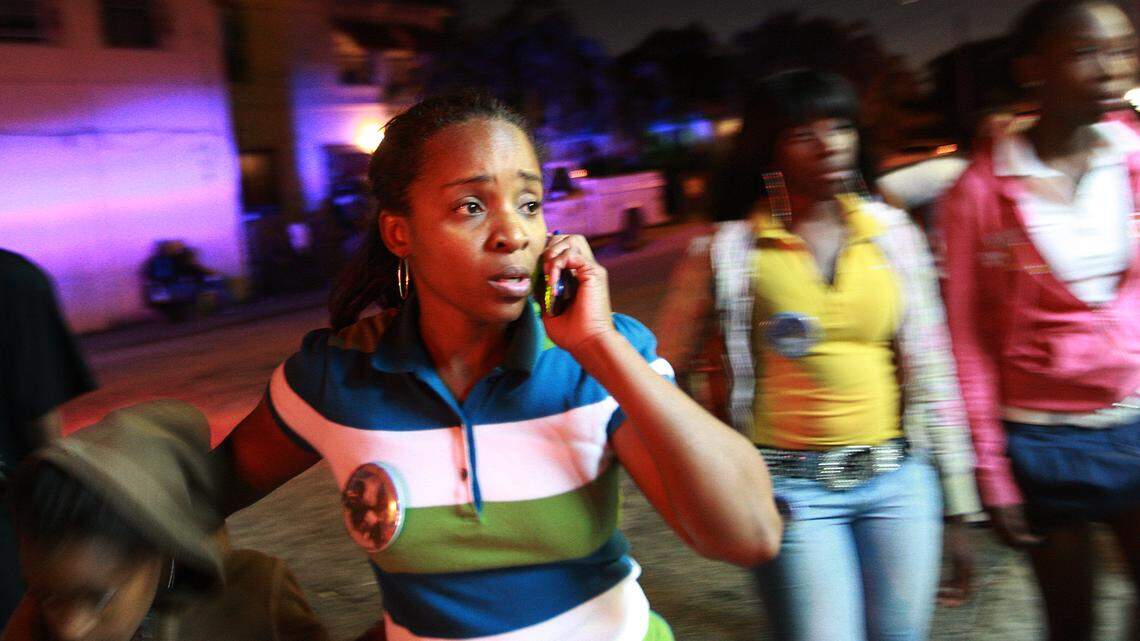
Adding insult to injury, they say, the department won’t release the case file to them unless they pay $1,831.
Lasonja “Sonja” Mills and Tangela Johnson filed a lawsuit Thursday morning for unlawful withholding of public records, withholding in bad faith, unreasonable fees, and violating their rights as crime victims under Marsy’s Law. They’re seeking nine boxes of Miami police case material, to help them understand why detectives and state prosecutors made the deal.
A spokesman for the police department said the agency does not comment on open litigation.
The mothers learned in 2024 from the Miami Herald that the killer, William “Little Bill” Brown, had been given a free pass for multiple shootings, including the one that took the lives of their teen sons. That night on Jan. 23, 2009, Brown and another young man — who has since died — sprayed bullets into a crowd of teenagers in Liberty City, killing Derrick Lamont Gloster Jr., 18, and Brandon Rashad Mills, 16. Seven other young people were injured.
Brown was given a 25-year sentence for two different murders and no time at all for the other killings to which he confessed. Based on his admissions, Brown was involved in the shootings of 15 people — six of them fatal.
“They treated us like our sons were the shooters,” Mills, the mother of Brandon, said Wednesday night, “and for many years now that our sons are gone, they treat our families like we are the criminals. And the real shooter for 17 years has been treated like a king.”
After publication of the Herald’s investigative series, “Deal with the Devil,” Brown was sent off to state prison. He’d been living in the county jail for years, collecting information for police and prosecutors.
Miami-Dade State Attorney’s Office prosecutor Michael Von Zamft’s unorthodox relationship with Brown led to the release last year of one inmate serving four life sentences, Taji Pearson, and contributed to the dropping of the death penalty last year for another, Corey Smith. Pearson’s attorney Michele Borchew, who first discovered evidence of the improper deal with Brown, is now representing Mills and Johnson in their lawsuit against the Miami Police Department.
Johnson, the mother of Derrick, said they are seeking “clarity and accountability.”
“Honestly, we have concerns that the investigation may have been incomplete, biased, or handled improperly,” she said. “ ... Our hope is that, through transparency, we can better understand the decisions that were made and identify any gaps that may have prevented a just outcome,” she said.
While Mills and Johnson were kept in the dark, Von Zamft helped relocate the killer’s mother under the witness protection relocation program, and police then paid rent for her, records in Pearson’s case showed.
Von Zamft, who retired and moved out of state, remains under investigation by the Florida Bar, a spokeswoman said Thursday.
In the lawsuit, the mothers say they’ve been requesting the files for two years, through attorney Borchew. Even if they pay the $1,831, the police aren’t offering to release all the records in the case. The department claims the case is still open and that they can’t release “specific details about the investigation,” an exhibit to the lawsuit shows.
After the Miami Herald series, the police department reactivated the investigation. But it did not lead to an arrest.
In the lawsuit, the mothers argue that there is no chance of prosecution, so the materials should be released. They argue that under Marsy’s Law, which became effective seven years ago in Florida, they have the right to be advised about the case. Though the law wasn’t in existence when the settlement deal was made, the “ongoing concealment of these facts” violates their rights, the lawsuit argues.
They also argue that as next of kin, they should be entitled to receive the case documents “without unreasonable fees.”
“The true purpose of withholding the records,” the lawsuit says, “is to conceal prosecutorial misconduct and the secret immunity deal that allowed a confessed mass murderer to walk free, not to protect an ongoing investigation.”
Source Verification
Corroboration Score: 1This story was independently reported by 1 sources. Click any source to read the original article.
Comments
0 commentsAfroman emerges victorious in ‘Lemon Pound Cake’ defamation case
10 North East firms named in list of UK’s Best Workplaces 2026
Related Articles
 Crime
CrimeMasked gunman kills Loyola Chicago college student in shooting near campus; police hunt for suspect
 Crime
CrimeBecause I Got High star Afroman wins £3m legal case against cops he mocked
 Crime
Crime